How Expansive Clay Soil Destroys Foundations - And What Homeowners Can Do About It
By Adam Sedlak, CEO of Level Home Foundation Repair
If you've built or remodeled anything in Oklahoma, you already know the soil here has a mind of its own. I've been repairing foundations in the Tulsa area for over 15 years, and I can tell you: our clay soil is the single biggest factor in every foundation failure I diagnose. It's relentless, it's powerful, and if you don't respect it, it will absolutely wreck a structure
Wayne and I have talked about this - he's seen it from the building side, and I see the aftermath on the repair side. Between us, we've probably got enough clay soil horror stories to fill a book. So let me walk through exactly what's happening underground, how to tell the difference between "no big deal" and "call someone now," and what the modern repair options look like.
The Science of Why Oklahoma Clay Is So Destructive
Not all clay is created equal. Oklahoma - especially the Tulsa metro, Broken Arrow, Bixby, and south into the Creek and Okmulgee County areas - sits on deposits heavy in montmorillonite, a mineral in the smectite family that has an incredible capacity to absorb water.
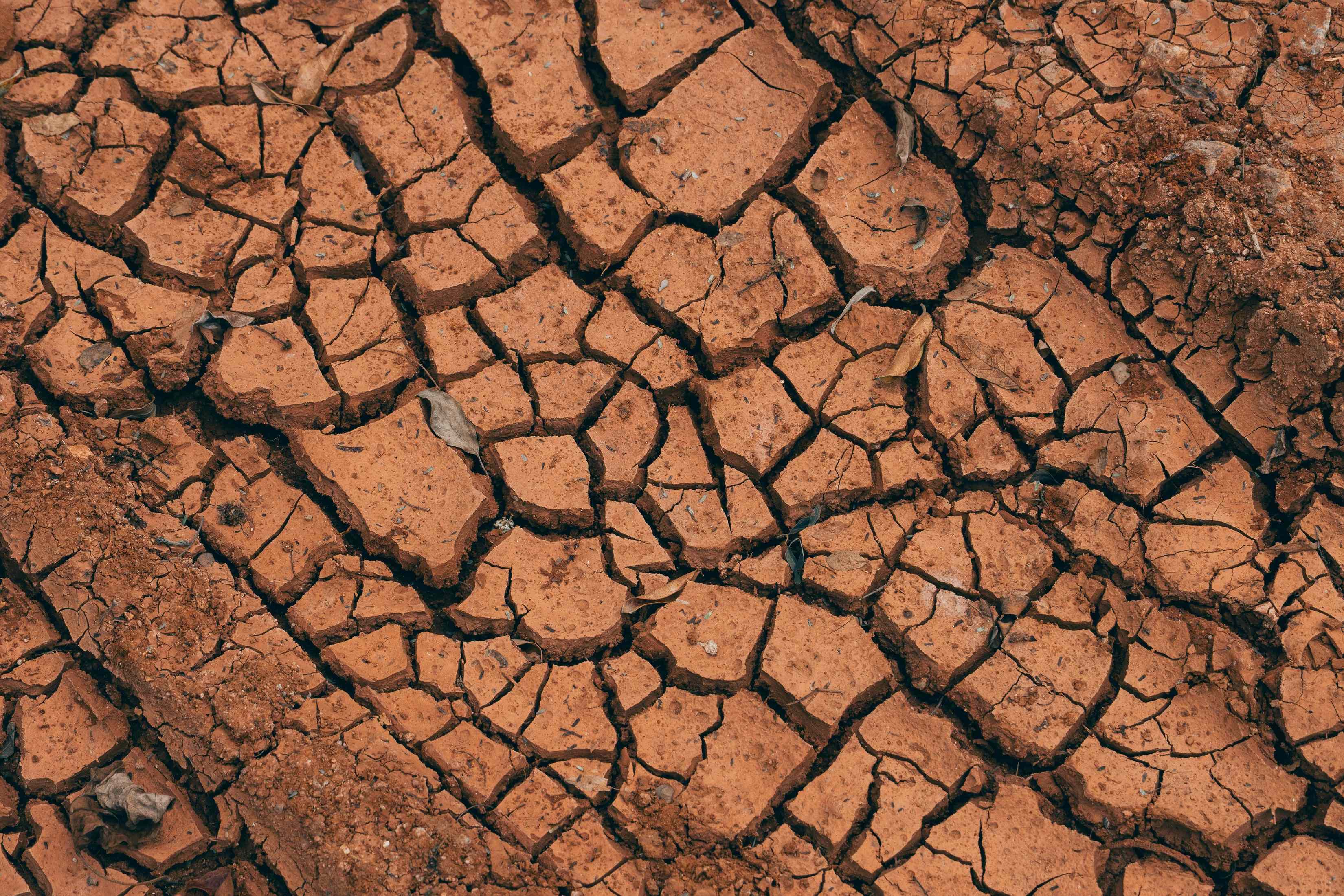
Here's the short version of the chemistry: montmorillonite particles are plate-shaped with a massive surface area relative to their size. Water molecules wedge between those plates and the clay expands - sometimes increasing in volume by 10-15%. That's not a crack in your driveway. That's a geological force pushing against your entire foundation.
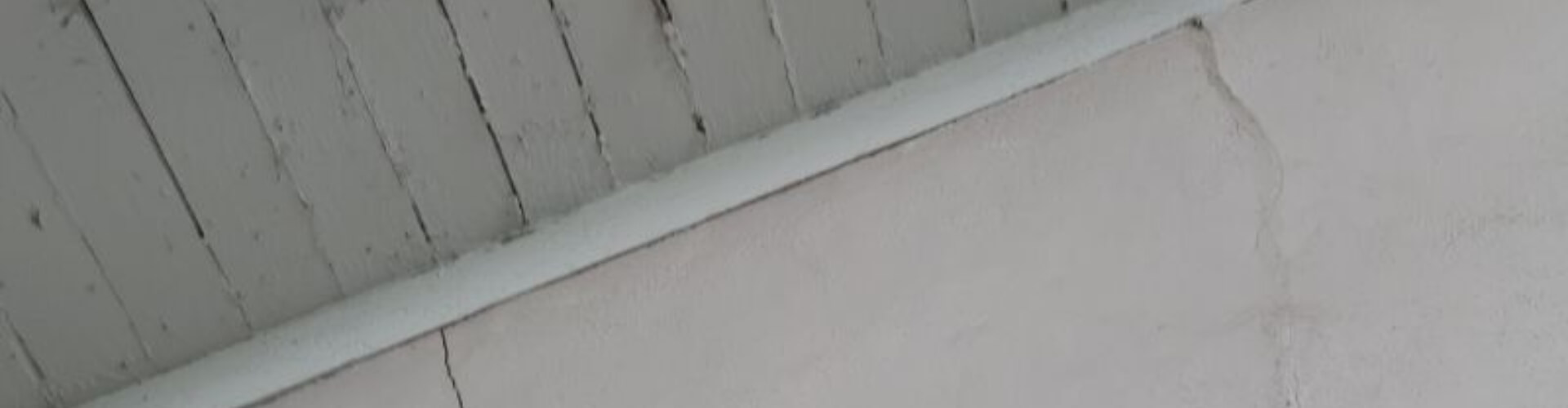
Then summer comes. The moisture drains or evaporates, and those clay plates release the water, shrinking back down. The soil contracts, sometimes pulling away from the foundation entirely and leaving voids. Your slab, which was designed to sit on uniformly supported soil, is now bridging gaps. It flexes, it cracks, and the structure above starts telling you about it - through stuck doors, cracked drywall, and uneven floors.
The Subdivision That Cracked
A few years back, I got called out to a neighborhood south of Tulsa - a subdivision that was maybe six years old at the time. Four homes on the same cul-de-sac, all showing significant cracking. Stair-step cracks in the brick, interior wall separation, garage floors pulling away from the slab.
Turns out, the lot had been graded over an old clay pocket - a concentrated deposit of high-plasticity clay that the original soils report hadn't fully captured. The homes around the perimeter of the development on sandier soil were fine. But those four homes on that cul-de-sac were sitting on a time bomb.
We ended up installing steel piers on all four homes, driving through that unstable clay layer down to load-bearing strata 20-25 feet below grade. It stabilized every one of them, but the point is: the soil told us exactly what was going to happen. We just had to know how to read it.
Cosmetic Cracks vs. Structural Cracks - How to Tell the Difference
This is probably the question I get asked most - by homeowners AND by contractors during remodels. Here's my field guide:
Cosmetic (Monitor, Don't Panic):
Hairline cracks in drywall, especially at seams and tape joints Single small cracks at corners of windows or doors (less than 1/8") Minor surface cracking in garage floors or driveways (shrinkage cracks) Cracks that have been there for years and haven't changed
Structural (Get It Evaluated):
Diagonal cracks wider than 1/4" radiating from door/window corners Stair-step cracking in exterior brick, especially if it runs across multiple courses
Horizontal cracks in foundation walls (this indicates lateral pressure - serious)
Cracks that are wider at the top than the bottom (or vice versa), indicating rotation
Floors with a noticeable slope or bounce
Multiple signs appearing together - this is the big one. One crack is a crack. Five symptoms are a pattern.
For builders: if you're doing a remodel or addition and you notice these signs in the existing structure, stop and get a foundation assessment before you tie new construction into a moving structure. I've seen additions crack within a year because the original foundation was already compromised.
Modern Repair Methods That Actually Work
Foundation repair has come a long way from the days of mudjacking and concrete shims. Here's what we're working with today:
Steel Push Piers
The workhorse of foundation repair
Galvanized steel tubes are hydraulically driven through the foundation footing, section by section, until they hit load-bearing soil or bedrock. Then hydraulic jacks transfer the weight of the structure onto the piers and lift the foundation back toward its original elevation.
In Oklahoma, we're typically driving 15-30 feet deep depending on the geology. Steel piers are ideal for heavier structures and situations where the unstable soil layer is deep.
Helical Piers
Think of a giant steel screw. Helical piers are rotated into the ground using a hydraulic torque motor. They work exceptionally well for lighter structures, pier-and-beam homes, and new construction applications where you want to pre-engineer support past the clay layer.
I've been using helical piers more frequently for crawl space structural repair and for stabilizing additions before they're built. They're versatile, and the installation torque gives us real-time data about the bearing capacity of the soil at depth.
Polyurethane Foam Injection (Concrete Leveling)
For settled concrete slabs - driveways, patios, garage floors, pool decks - high-density polyurethane foam is injected beneath the slab through penny-sized holes. The foam expands, fills voids, and lifts the concrete back to grade. It's fast, it's clean, and it's waterproof, which matters a lot when you're fighting clay soil moisture.
Preventive Steps Every Builder and Homeowner Should Know
You can't eliminate the clay. But you can manage the moisture - and that's where prevention lives:
Drainage, drainage, drainage. Proper grading away from the foundation is non-negotiable. I'd say 60% of the foundation problems I see could have been prevented or delayed with better drainage.
Gutters and downspout extensions. Get that roof runoff at least 5-6 feet away from the foundation. Underground drain lines to daylight are even better.
Consistent soil moisture. This sounds counterintuitive, but in Oklahoma's summers, running a soaker hose around your foundation perimeter can prevent the clay from shrinking away. You're not trying to soak it - just maintain consistent moisture levels.
Tree placement. Large trees within 15-20 feet of a foundation can pull enormous amounts of moisture from the soil through their root systems. This creates localized shrinkage and differential settlement. Plan your landscaping accordingly.
Pre-construction soil testing. For builders - get a comprehensive geotechnical report. Not just the minimum. Understand the plasticity index of the soil across the entire lot, not just one boring location.
The Bottom Line
Oklahoma's clay soil isn't going anywhere. It's been here for millions of years and it'll outlast all of us. But understanding how it behaves - and building or maintaining with that knowledge - makes all the difference between a home that lasts generations and one that starts cracking in five years.
If you're a builder or homeowner seeing signs of movement, don't wait. The earlier you address foundation settlement, the less invasive and less expensive the repair. And if you just want a straight answer about whether what you're seeing is cosmetic or structural, that's what we're here for.
Adam Sedlak is the CEO of Level Home Foundation Repair in Tulsa, Oklahoma. A foundation repair specialist with over 15 years in the field, Adam works extensively with Oklahoma's challenging clay soils using steel pier systems, helical piers, and polyurethane foam leveling. He offers free inspections throughout the Tulsa metro and can be reached at (918) 361-7787.
‹ Back
Recent Posts
-
-

Custom Kitchens: Designing the Heart of Your Home
December 15, 2024
-

Repairing Structural Damage: When to Call a Professional
November 19, 2024
-
Maintaining a Healthy Crawl Space to Prevent Collapses
November 12, 2024
-
Emergency Response: What to Do When a Tree Limb Damages Your Home
November 5, 2024